

It was a former US President, the obscure, taciturn and all but forgotten Calvin Coolidge, who remarked that “the business of America is business”. To be precise, that “The American people…are profoundly concerned with producing, selling, investing and prospering in the world.”
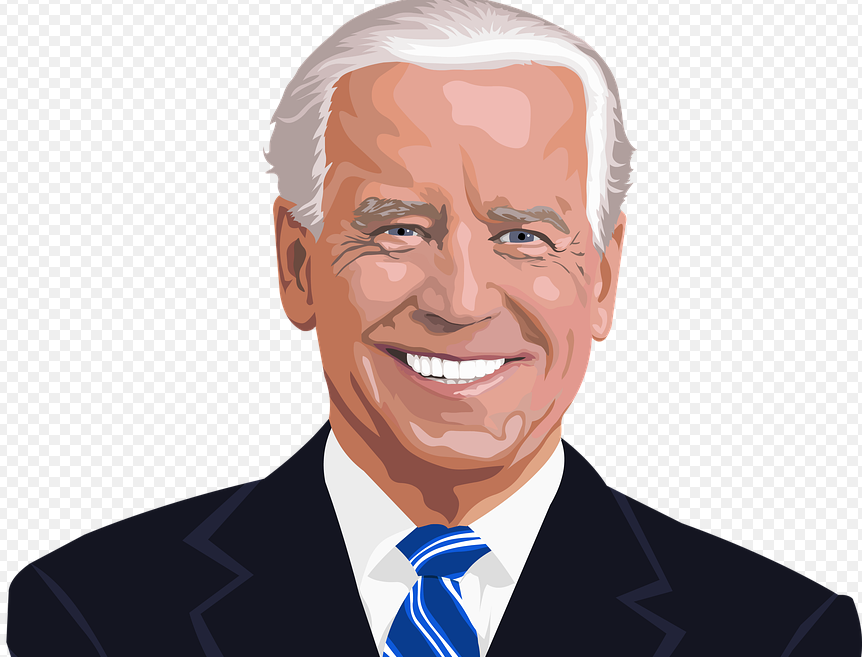
Joe Biden, the Democratic candidate in tomorrow’s Presidential election is well aware of that. Notwithstanding the record breaking growth in US economic activity in the third quarter of this year, which even now might rob him of victory, the pandemic will have left permanent scars. the crisis is wrecking businesses and whole commercial sectors such as tourism and hospitality, the careers and job prospects for young people and the middle aged and exacerbating income and social inequality and division across the United States.
The route out of the pandemic cataclysm will of course be free trade. Too many people are second guessing the geopolitical preferences of the putative leader of the free world on next to no evidence. He’ll favour the EU over the UK. Really? Angela Merkel, the German chancellor, will be gone in just a year and her party is making an almighty hash of finding a decent replacement. Emmanuel Macron, the French president, will struggle with huge structural political, economic and social problems, whatever happens with Brexit and is no shoo in at the election next year. By contrast, Boris Johnson’s term as prime minister will run to almost the end of Biden’s term. Wiser heads in a new Biden administration will want to build bridges and not blow them up.
It is against this background, that talk of Biden relegating the UK to the “back of the queue” for a US-UK trade deal – Copyright: Obama 2016 – as punishment for Brexit and relations with Ireland – should be taken with a pinch of salt.
Biden, Senator for Delaware for 36 years, is an old pro and he knows the Washington game pretty much better than anyone. The Irish lobby in domestic politics is not the power it once was and is fading in significance with the increasing heft of Latino and Asian communities and their spokemen. “Sleepy Joe” however, is canny enough to resile from irritating or alienating his natural base of traditional blue collar Democrats and union hall types. Likewise, Nancy Pelosi is still likely to be House Speaker after November 3rd and a President Biden will need her support and influence. Less voluble but there remains in Congress a strong pro British Anglophile caucus who will work hard to close a new trade deal with the UK and there is no guarantee the Democrats will win a majority in the Senate.
In any case, He’ll have other fish to fry – A trade war with China, the ongoing trade dispute with the European Union and the thorny issue of the Trans Pacifica Partnership (TPP). Why get into a fight with America’s oldest ally, the world’s premier “soft power”, with shared values and outlook, a nuclear power and NATO ally and the fifth biggest economy in the world?
The reaction to the British government’s Internal Markets Bill published in September and its ramifications for Northern Ireland, in truth a bolt of lightning and a political gambit designed to re-energise a complacent and cocksure European Union negotiating team, which led to overheated rhetoric from Team Biden, was as ignorant as it was predictable but pretty pro forma. Needs must. Biden has needed to be a shape-shifter with flexible positions on trade through the primary season and he’s had to reinvent his enthusiasm for NAFTA, China and other heretical positions loathed by the Left in the Democratic Party, as represented by Elizabeth Warren and Bernie Sanders. American friends in Washington tell me that he will be even more flexible in office.
The US is the UK’s largest single trading partner, it was £237 billion last year. We have more than £700 million invested in each other’s economies and a free trade deal could deliver a £15 billion increase in bilateral trade. a trade deal would consolidate our world leading positions in digital trade and technology and increased business mobility would cement the UK’s potential for unlocking opportunities in another big service-based economy via major technological change. The UK’s reputation for quality, safety and performance is what drives demand for our goods and the US understands that we won’t compromise on environmental protection, animal welfare and food safety standards nor our commitment to an NHS, comprehensive and free at the point of need. Key British exporters in the car industry, food and drink and ceramics will be hugely boosted by a trade deal.
The US-UK trade round is now on its fifth negotiating session and both parties have recently exchanged tariff offers and legal texts and this milestone has demonstrated not just political commitment and alacrity but real momentum and a pragmatic understanding of what is at stake. A President Joe Biden will not just need to navigate a tricky post Covid world but also faces the prospect in his term of office that the US will be eclipsed as the world’s biggest economy by China and this will surely inform his trade policy towards the United Kingdom and other longstanding trade partners.
Joe Biden will surely govern very much in the mould of the pragmatic and centrist Bill Clinton administrations of 1992-2000 and he will of course remember Bill’s famous campaign dictum:
“It’s the economy, stupid.”